

Seventy-two people who bought, used or were recorded by Meta’s smart glasses have sued Meta and Luxottica of America, alleging that sensitive recordings reached overseas workers without informed consent. The case puts a practical privacy question before a federal court: when glasses capture a private moment, who besides the wearer can see it?
The consolidated complaint, filed August 31 in the Northern District of California, includes allegations involving intimate images, medical information and children. It seeks damages and changes to the companies’ practices. A September 15 order addressed plaintiffs’ requests to use pseudonyms; it did not establish liability or certify a class.
Meta disputes the allegations and intends to fight them, according to its response to the Los Angeles Times. But the company acknowledges that data submitted through Meta AI may undergo review to improve its products. For wearers, the consequential distinction is between taking a picture for a personal gallery and supplying an image to the AI assistant.
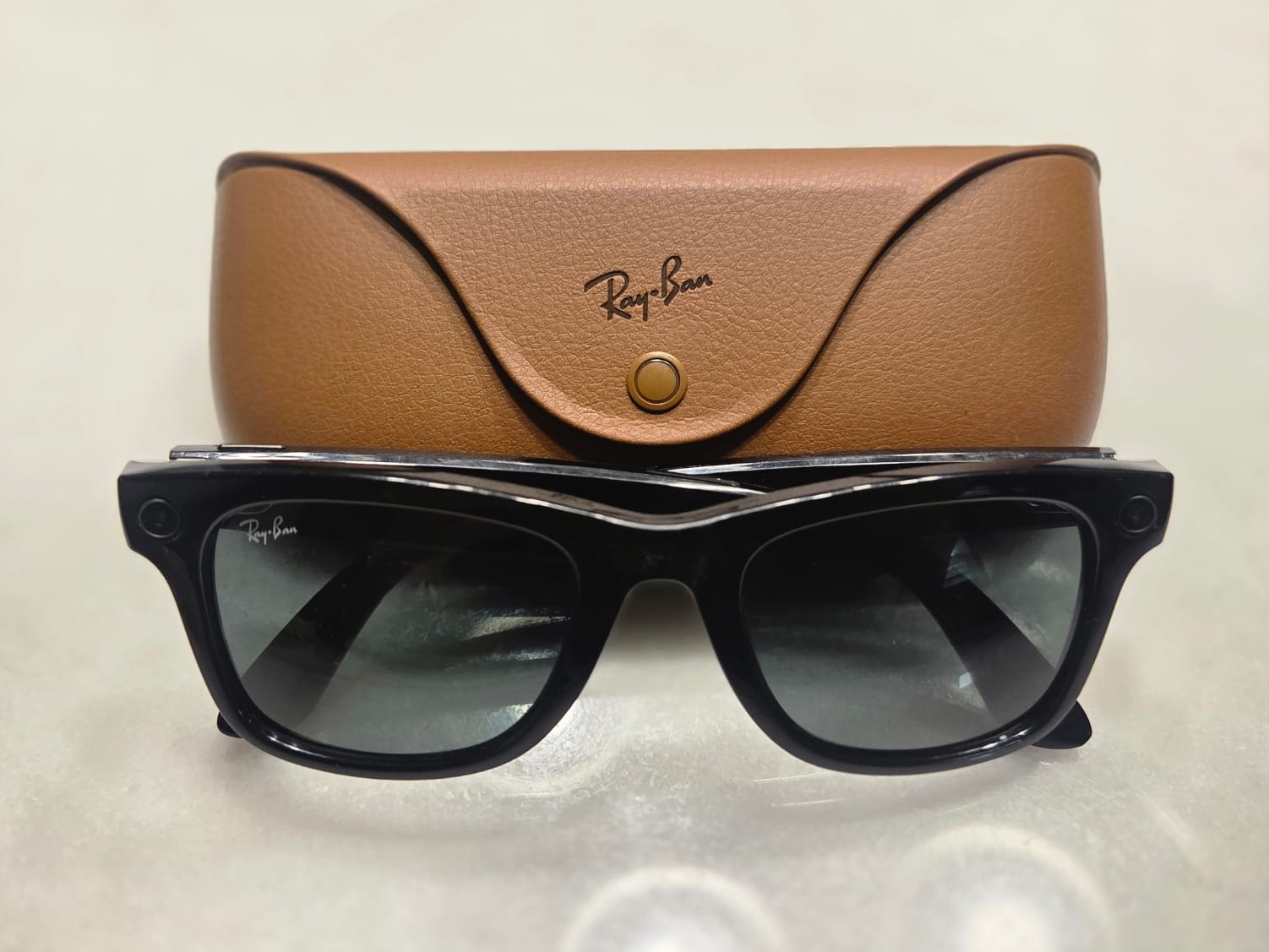

Meta’s July privacy FAQ says gallery photos and videos are stored privately on the glasses until the wearer imports them to a phone or chooses to share them. Its glasses privacy page describes visual AI requests separately: the camera briefly activates, but the resulting image is not saved to the gallery. A gallery therefore is not a complete record of what the camera has supplied to Meta AI.
For gallery captures, Meta says photos and videos stay privately on the glasses until imported or shared. For visual AI requests, an image is processed separately without being saved to the gallery. Meta’s AI terms allow automated or human review, including through vendors, but do not say how often glasses content reaches a person. These are the company’s descriptions of operation, not an independent audit.
That distinction limits what can be concluded from the complaint’s personal accounts. Several plaintiffs describe unexpected recordings or accidental assistant activations. One Maine plaintiff alleges that the glasses recorded a bathroom visit while she was listening to an audiobook. Such accounts describe alleged capture; they do not, by themselves, establish that the resulting footage reached a reviewer.
The consulted public record contains no authenticated device log, clip identifier or reviewer record tracing a specific plaintiff’s recording through upload, human review or model training. Those records could emerge during litigation. For now, the plaintiffs’ allegations about their own footage and the evidence of a broader review operation remain separate.
The broader evidence comes from a Svenska Dagbladet and Göteborgs-Posten investigation. The outlets interviewed more than 30 current or former Sama workers and former Meta staff, and reviewed employment records. Workers at the contractor described annotating images, video and speech, including apparent smart-glasses footage containing nudity, bathroom scenes and financial information. Annotation means labeling material to help develop AI systems.
Most sources spoke anonymously because they feared retaliation. The reporters did not enter the facility or inspect the footage themselves, and the accounts do not identify any clip as belonging to a plaintiff. Meta says it filters identifying information to protect privacy; its response supplied no measurement of how effectively that filtering works.
In a follow-up report, Meta confirmed that it paused Sama’s work in March and ended the relationship because the contractor did not meet its standards. Meta maintained that human review occurred with clear user consent. It did not specify which standard Sama failed, and ending that contract does not establish that human review stopped elsewhere.
Bystanders face a different consent problem. Meta’s AI terms place responsibility on the person submitting media to obtain appropriate permissions from people depicted. Its glasses guidance advises wearers to ask before recording and avoid sensitive spaces. Those protections depend on the wearer; the consulted documents provide no direct account-level choice for someone merely being recorded.
We see that as the case’s most consequential question: how can a person agree meaningfully to human review of a recording when they never bought the glasses or encountered Meta’s disclosures? The plaintiffs seek effective notice and consent procedures and deletion of data obtained without consent. Whether the existing arrangements satisfy the law remains for the court to decide.